
Starting a new website or blog is exciting, but getting it seen by your target audience can be a significant challenge. This is where Search Engine Optimization (SEO) comes into play. SEO is the process of optimizing your website to rank higher in search engine results, driving more organic traffic to your pages. For many newcomers, the world of SEO can seem daunting, filled with complex algorithms and specialized terminology. However, with the right guidance and the best SEO tools for beginners, you can demystify the process and start making real progress.
This comprehensive guide is designed to equip you with the knowledge and resources you need to embark on your SEO journey successfully. We'll explore a curated list of essential tools, both free and affordable, that are perfect for those just starting out. These tools will help you understand your audience, analyze your competitors, optimize your content, and track your performance, all without requiring an advanced degree in digital marketing.
Why You Need the Best SEO Tools for Beginners
You might be wondering, "Do I really need tools to do SEO?" The short answer is yes. While a basic understanding of SEO principles is crucial, tools provide the data and insights necessary to make informed decisions. They automate tedious tasks, reveal opportunities you might otherwise miss, and help you monitor your progress effectively.
For beginners, these tools are invaluable for several reasons:
- Demystify Complex Data: They translate raw website data into understandable reports and actionable insights.
- Save Time: Automate tasks like keyword research, competitor analysis, and site audits, allowing you to focus on strategy.
- Identify Opportunities: Uncover high-ranking keywords, content gaps, and technical issues that hinder your site's performance.
- Track Progress: Monitor your rankings, organic traffic, and other key metrics to see what's working and what's not.
- Stay Competitive: Understand what your competitors are doing well and find ways to outrank them.
Investing time in learning the best SEO tools for beginners is one of the smartest moves you can make for your website's long-term success.
Essential Free SEO Tools for Beginners
You don't need a massive budget to start with SEO. Many powerful and effective tools are available completely free of charge. These are often provided directly by Google, making them indispensable for anyone looking to improve their search engine visibility.
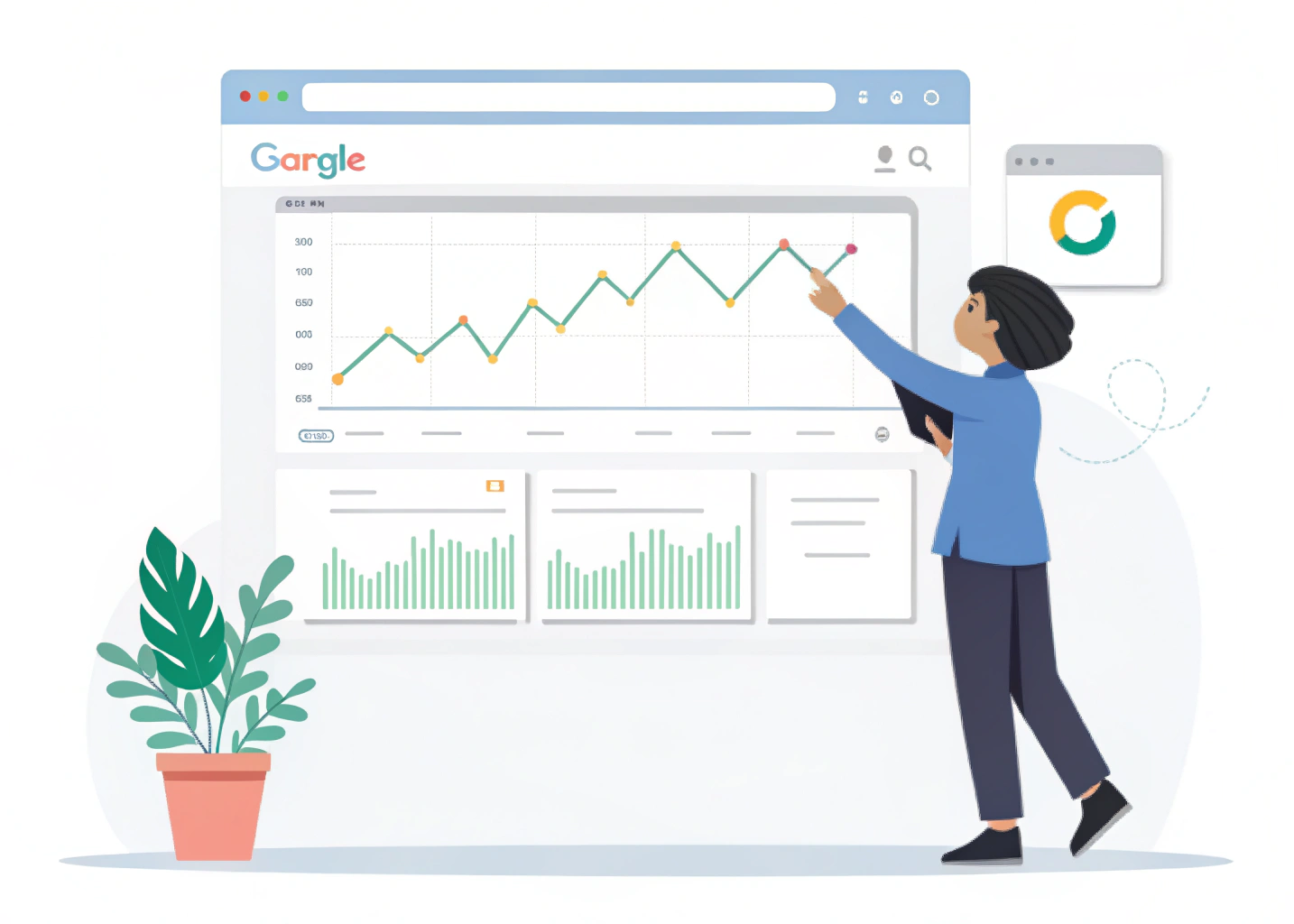
1. Google Search Console (GSC)
Google Search Console is arguably the most important free SEO tool for any website owner. It's your direct line of communication with Google regarding your site's performance in search results.
- Key Features for Beginners:
- Performance Report: See which queries bring users to your site, your average position, click-through rate (CTR), and impressions.
- Index Coverage: Understand which pages Google has indexed and identify any crawling or indexing errors.
- Sitemaps: Submit your XML sitemap to help Google discover your content more efficiently.
- Core Web Vitals: Monitor your site's page experience metrics, crucial for user experience and rankings.
- Manual Actions: Get notified if your site has received any penalties from Google.
- Why it's Great for Beginners: GSC provides crucial, direct data from Google itself. It's the first place you should look to understand how Google sees your website.
2. Google Analytics (GA4)
While GSC tells you how people find your site, Google Analytics tells you what they do once they get there. It's a robust web analytics service that tracks and reports website traffic.
- Key Features for Beginners:
- Traffic Sources: Understand where your visitors come from (organic search, social media, direct, referral).
- Audience Demographics: Learn about your users' age, gender, interests, and location.
- User Behavior: Track which pages users visit, how long they stay, and their journey through your site.
- Conversions: Set up goals to measure specific actions, like form submissions or purchases.
- Why it's Great for Beginners: GA4 helps you understand user behavior, which is vital for optimizing content and user experience. By combining GSC and GA4 data, you get a holistic view of your SEO performance.
3. Google Keyword Planner
Part of Google Ads, Keyword Planner is an excellent free tool for keyword research. While primarily designed for advertisers, it's incredibly useful for organic SEO as well.
- Key Features for Beginners:
- Discover New Keywords: Find new keyword ideas related to your products, services, or niche.
- Get Search Volume and Forecasts: Estimate the monthly search volume for keywords and their competitiveness.
- Organize Keywords: Group keywords into relevant categories for better content planning.
- Why it's Great for Beginners: It provides direct keyword data from Google, helping you identify what people are searching for and how often. This is foundational for any content strategy.
4. Google My Business (GMB)
For businesses with a physical location or those serving a specific geographic area, Google My Business is non-negotiable. It's a free tool that allows you to manage your online presence across Google, including Search and Maps.
- Key Features for Beginners:
- Business Profile: Create and optimize your business listing with accurate name, address, phone number (NAP), hours, and services.
- Customer Reviews: Respond to customer reviews, building trust and credibility.
- Posts and Photos: Share updates, offers, and high-quality images of your business.
- Insights: See how customers are finding your business and interacting with your listing.
- Why it's Great for Beginners: Essential for local SEO, GMB helps your business appear in local search results and Google Maps, driving foot traffic and local inquiries.
5. PageSpeed Insights
Website speed is a critical ranking factor and user experience element. PageSpeed Insights analyzes your site's content and suggests ways to make it faster.
- Key Features for Beginners:
- Performance Score: Get a score for both mobile and desktop versions of your site.
- Actionable Recommendations: Receive specific suggestions to improve loading times, like optimizing images or leveraging browser caching.
- Core Web Vitals Assessment: See how your site performs on key user experience metrics.
- Why it's Great for Beginners: A slow website frustrates users and hurts your rankings. This tool helps you identify and fix speed issues, even if you're not a developer.
Affordable & Freemium SEO Tools for Beginners
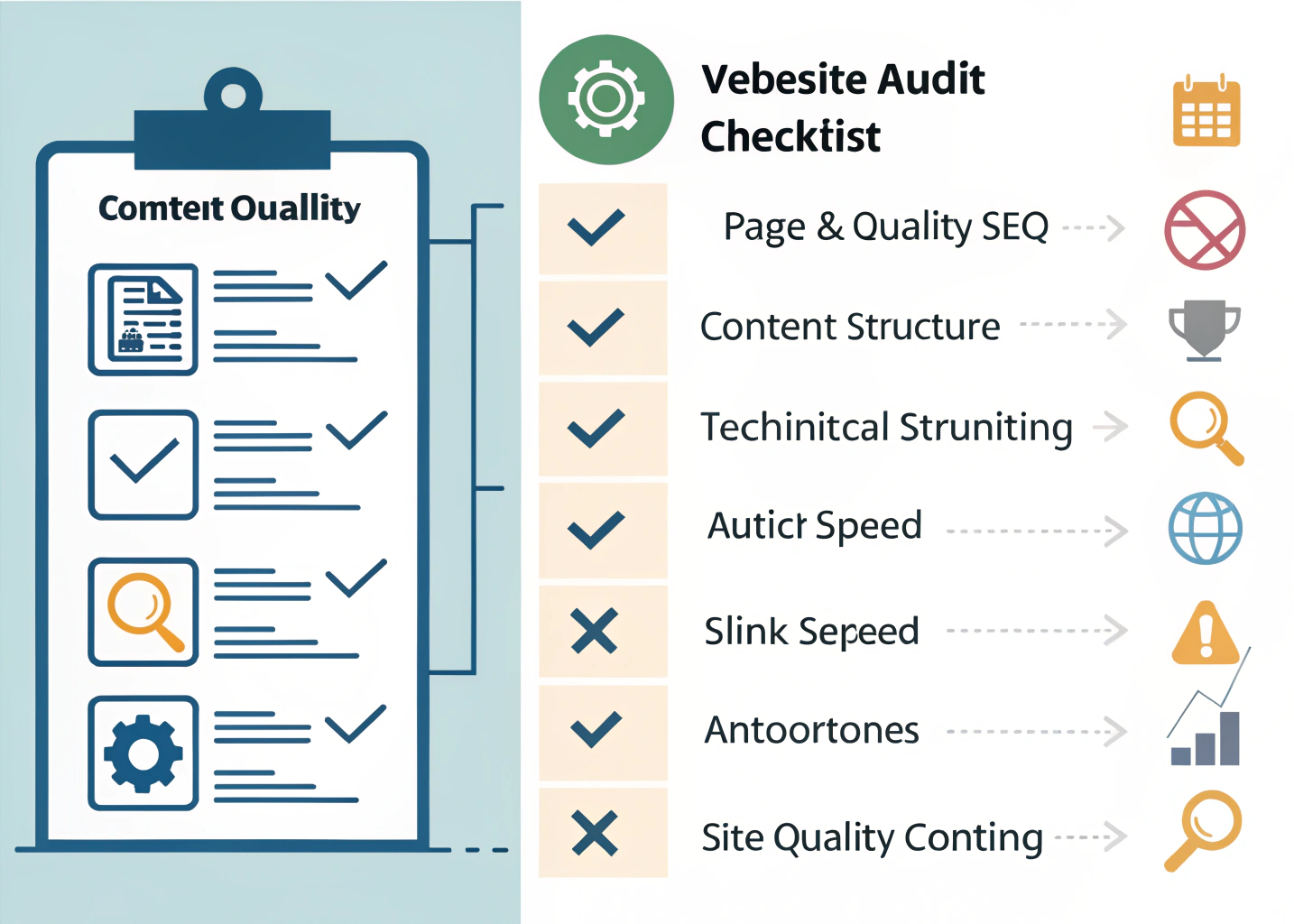
While free tools are a fantastic starting point, investing in a few affordable or freemium (free with paid upgrades) tools can significantly enhance your SEO efforts. These tools often offer more advanced features, deeper insights, and a more streamlined workflow.
6. Yoast SEO / Rank Math (WordPress Plugins)
If your website runs on WordPress, these plugins are indispensable for on-page SEO. They simplify many technical and content optimization tasks.
- Key Features for Beginners:
- On-Page Content Analysis: Get real-time feedback on your content's readability and SEO score based on your target keyword.
- Meta Title & Description Editor: Easily customize your meta tags for search engines.
- XML Sitemaps: Automatically generate and update your sitemap.
- Schema Markup: Implement structured data to enhance your search listings.
- Technical SEO Features: Handle redirects, canonical URLs, and noindex tags with ease.
- Why it's Great for Beginners: These plugins act as your personal SEO assistant, guiding you through the optimization process for each page and post, making them some of the best SEO tools for beginners using WordPress.
7. Ubersuggest
Ubersuggest, created by Neil Patel, offers a user-friendly interface with a good range of SEO features, making it excellent for beginners. It has a free daily limit for searches, with affordable paid plans.
- Key Features for Beginners:
- Keyword Ideas: Generate thousands of keyword suggestions along with search volume, SEO difficulty, and cost-per-click (CPC).
- Content Ideas: Discover popular content pieces for specific keywords, helping you brainstorm new topics.
- Site Audit: Get a basic technical SEO audit of your website, highlighting critical errors.
- Backlink Data: Analyze your backlink profile and that of your competitors.
- Why it's Great for Beginners: Ubersuggest provides a comprehensive overview of keyword research, content analysis, and competitive insights in an easy-to-digest format.
8. AnswerThePublic
This tool visualizes search queries and questions people ask around your target keywords. It's fantastic for generating content ideas that directly address user intent.
- Key Features for Beginners:
- Question-Based Keywords: Discover questions users are typing into search engines (who, what, when, where, why, how).
- Prepositions & Comparisons: Find related phrases using prepositions (for, with, near) and comparisons (vs., like).
- Alphabetical & Related Keywords: Get a broad range of related terms.
- Why it's Great for Beginners: AnswerThePublic helps you understand the exact language your audience uses, enabling you to create highly relevant and engaging content that answers their specific needs.
9. MozBar (Browser Extension)
The MozBar is a free Chrome extension that allows you to see important SEO metrics for any page you visit, directly in your browser.
- Key Features for Beginners:
- Domain Authority (DA) & Page Authority (PA): See the strength and ranking potential of a domain and individual page.
- Link Metrics: Analyze the number of links to a page and domain.
- On-Page Elements: Quickly view title tags, meta descriptions, H1s, and other on-page elements.
- SERP Overlay: See DA and PA for every result on a search engine results page (SERP).
- Why it's Great for Beginners: It provides instant SEO insights, making competitor analysis and content research much faster and more intuitive. It’s a great companion to the other best SEO tools for beginners.
10. SEMrush / Ahrefs (Freemium Features & Trials)
While full subscriptions to SEMrush and Ahrefs can be costly, both offer valuable free tools and trials that beginners can leverage to get a taste of advanced SEO. These are often considered the industry standard for professional SEOs, and their freemium options are among the best SEO tools for beginners looking to grow.
- SEMrush Free Features:
- Keyword Overview: Get a quick snapshot of search volume, trends, and difficulty for a keyword.
- Domain Overview: Analyze a website's overall SEO performance, including top organic keywords and traffic.
- Site Audit (limited): Run a basic technical SEO audit.
- Ahrefs Free Features:
- Website Authority Checker: Check the Domain Rating (DR) of any website.
- Broken Link Checker: Find broken links on your site or any other.
- Free SEO Tools: Access various mini-tools like keyword difficulty checker, SERP checker, and WordPress plugin.
- Why they're Great for Beginners: Even their limited free versions provide a glimpse into powerful data, helping you understand the depth of SEO analysis possible and giving you a taste of professional-grade insights.

Tips for Choosing and Using the Best SEO Tools for Beginners
With so many options, how do you decide which tools are right for you? Here are some tips:
- Start with the Free Essentials: Begin with Google Search Console, Google Analytics, and Google Keyword Planner. Master these before moving on.
- Identify Your Core Needs: Are you primarily focused on keyword research, content optimization, or technical SEO? Choose tools that align with your immediate goals.
- Prioritize User-Friendliness: As a beginner, opt for tools with intuitive interfaces and good documentation or tutorials.
- Leverage Freemium Models: Take advantage of free trials and limited free versions of paid tools to test them out before committing.
- Don't Get Overwhelmed: You don't need to use every tool mentioned. Pick a few that resonate with you and learn them well.
- Combine Tools for Deeper Insights: Remember that tools often complement each other. For instance, use GSC to find ranking keywords and then GA4 to understand user behavior on those pages.
Conclusion: Your Path to SEO Success Starts Here
Embarking on your SEO journey can be a rewarding experience that significantly impacts your website's visibility and success. While the landscape of search engine optimization can seem vast, the availability of excellent tools makes it accessible even for complete novices. By leveraging the best SEO tools for beginners discussed in this guide, you gain the power to understand your audience, analyze your competition, optimize your content, and track your performance like a pro.
Remember, SEO is not a one-time task but an ongoing process of learning, adapting, and optimizing. Start with the free Google tools, gradually explore freemium options, and always prioritize creating valuable content for your users. With consistent effort and the right tools in your arsenal, you'll be well on your way to achieving higher rankings, attracting more organic traffic, and growing your online presence. Don't wait—start experimenting with these tools today and watch your website flourish!
Frequently Asked Questions About SEO Tools for Beginners
Q1: What are the absolute essential SEO tools for beginners?
The absolute essential SEO tools for beginners are Google Search Console, Google Analytics, and Google Keyword Planner. These free tools provide fundamental insights into your website's performance, user behavior, and keyword opportunities directly from Google.
Q2: Are there any completely free SEO tools that offer comprehensive features?
While no single free tool offers *complete* comprehensive features like a premium suite, a combination of free tools like Google Search Console, Google Analytics, Google Keyword Planner, Google My Business, and PageSpeed Insights provides a very strong foundation for beginners across various SEO aspects.
Q3: How much should a beginner expect to pay for SEO tools?
Beginners can start with entirely free tools and incur no cost. If you opt for freemium tools like Ubersuggest or premium WordPress plugins like Yoast SEO/Rank Math, you might pay anywhere from $10 to $50 per month for basic plans, which is a worthwhile investment for enhanced features.
Q4: Can I learn and do SEO effectively without using any tools?
While you can learn SEO principles without tools, doing SEO effectively, especially for a website, is nearly impossible without them. Tools provide the data, insights, and automation necessary to make informed decisions, identify opportunities, track progress, and compete in the search landscape.
Q5: Which SEO tool is best for beginners on a tight budget?
For beginners on a tight budget, the best approach is to maximize the use of Google's free offerings (Search Console, Analytics, Keyword Planner, My Business, PageSpeed Insights) and complement them with the free versions or trials of freemium tools like Ubersuggest or the free MozBar browser extension. WordPress users should definitely utilize Yoast SEO or Rank Math's free versions.