In today's fast-paced digital landscape, businesses are constantly seeking marketing strategies that deliver tangible, measurable results. Gone are the days of throwing money at campaigns and hoping for the best. Enter performance marketing: a game-changer that ties marketing spend directly to specific, trackable outcomes.
If you've been asking yourself, what is performance marketing and how can it benefit my business, you've come to the right place. This comprehensive guide will demystify this powerful approach, exploring its core principles, key channels, essential metrics, and how to build a winning strategy that drives real return on investment (ROI).
Understanding the Core: What Exactly is Performance Marketing?
At its heart, performance marketing is a digital marketing approach where advertisers pay only when a specific, measurable action occurs. Unlike traditional advertising, which often focuses on brand awareness and impressions, performance marketing is inherently results-oriented. It's about accountability, data, and achieving predefined goals.
The "performance" aspect refers to the fact that payment is contingent upon a user completing a desired action. This could be a click on an ad, a lead generated, an app download, or a completed sale. This model significantly reduces risk for advertisers, as they only pay for proven results, making it an incredibly efficient way to allocate marketing budgets.
Key characteristics that define performance marketing include:
- Measurable Actions: Every campaign is designed with specific, trackable actions in mind.
- Data-Driven Decisions: Performance marketers constantly analyze data to optimize campaigns in real-time.
- ROI Focus: The primary goal is to generate a positive return on advertising spend.
- Risk Sharing: Advertisers and publishers/affiliates share the risk, as payment is tied to performance.
This approach stands in stark contrast to traditional brand marketing, where success is often measured by less direct metrics like brand recall or reach. Performance marketing demands a clear line of sight between investment and outcome.

Key Channels and Types of Performance Marketing
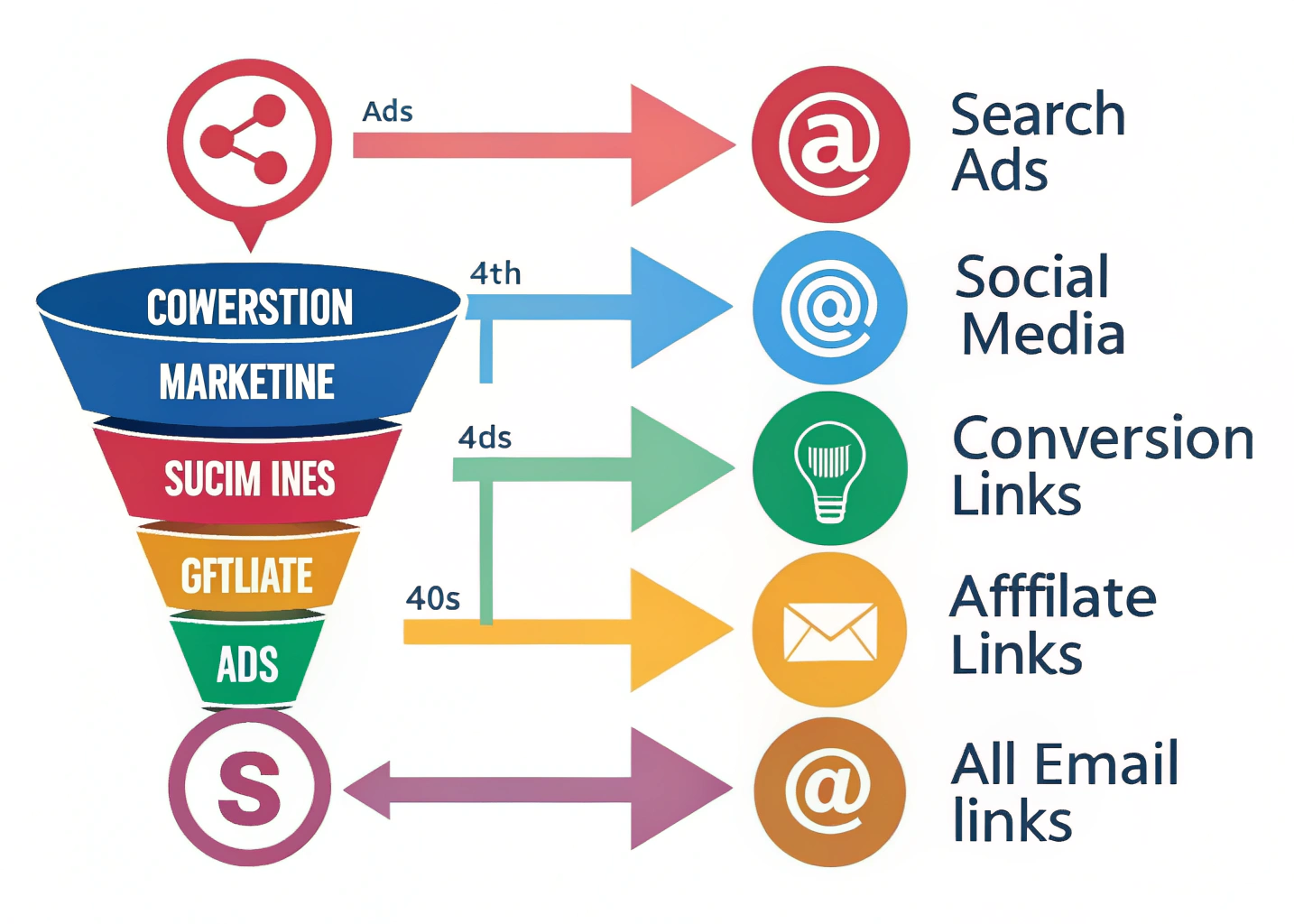
Understanding what is performance marketing also involves recognizing the diverse channels through which it operates. Each channel offers unique opportunities to engage audiences and drive specific actions. Here are some of the most common types:
Affiliate Marketing
Affiliate marketing is a classic example of performance marketing. Businesses pay commissions to affiliates (publishers, influencers, content creators) for driving sales, leads, or other desired actions. Affiliates promote products or services through unique tracking links, and earn a cut for every conversion they generate. It's a highly scalable model that leverages third-party networks.
Search Engine Marketing (SEM) / Paid Search (PPC)
This involves advertising on search engines like Google and Bing. Advertisers bid on keywords, and their ads appear at the top of search results. Payment is typically on a Cost-Per-Click (CPC) basis, meaning you only pay when someone clicks your ad. It's highly effective for capturing intent-rich traffic.
Social Media Advertising
Platforms like Facebook, Instagram, LinkedIn, and TikTok offer powerful advertising tools. Businesses can target incredibly specific demographics, interests, and behaviors. Social media ads are versatile, supporting objectives from lead generation to direct sales, often operating on CPC, CPM (Cost Per Mille/Thousand Impressions), or CPA models.
Native Advertising
Native ads are designed to blend seamlessly with the surrounding content on a website or platform, making them less intrusive than traditional display ads. They often appear as "sponsored content" or "recommended articles." Payment is usually based on clicks or impressions, aiming to drive engagement and content consumption.
Display Advertising
This involves placing visual ads (banners, images, videos) on websites and apps across ad networks. While often used for brand awareness, display advertising can be performance-driven when optimized for clicks, conversions, or specific actions. Retargeting campaigns, which show ads to users who previously visited a site, are a powerful performance tactic within display.
Content Marketing (Performance-focused)
While often seen as a long-term branding strategy, content marketing can be performance-driven. This involves creating valuable content (blog posts, e-books, webinars) designed to capture leads, drive sign-ups, or nurture prospects towards a purchase. Metrics like lead magnet downloads, email subscriptions, and demo requests are key performance indicators.
Email Marketing (Performance-focused)
Email campaigns can be highly effective performance channels. From welcome sequences designed to convert new subscribers to promotional emails driving sales, email marketing allows for direct communication and clear tracking of open rates, click-through rates, and conversions. Automation further enhances its performance capabilities.
Why Performance Marketing is Essential for Modern Businesses
The shift towards performance marketing isn't just a trend; it's a fundamental change in how businesses approach their growth strategies. Here's why it's become indispensable:
Measurable ROI & Accountability
The most compelling benefit is the ability to directly measure the return on every dollar spent. By tracking specific actions, businesses can clearly see which campaigns are profitable and which need adjustment. This fosters a culture of accountability within marketing teams.
Reduced Risk & Cost-Efficiency
Paying only for results minimizes financial risk. Advertisers avoid wasting budget on ineffective impressions or clicks that don't lead to conversions. This model promotes cost-efficiency, ensuring marketing spend is always working towards a tangible outcome.
Scalability & Flexibility
Successful performance campaigns can be scaled up rapidly. Once a profitable strategy is identified, businesses can increase their investment with confidence, knowing that more spend will likely translate to more results. Campaigns can also be quickly adjusted or paused if they underperform.
Targeted Audience Reach
Performance marketing leverages sophisticated targeting options across various platforms. This allows businesses to reach their ideal customers with precision, ensuring that ads are shown to those most likely to convert, leading to higher efficiency and better outcomes.
Data-Driven Optimization
Constant access to real-time data allows marketers to continuously test, analyze, and optimize campaigns. A/B testing ad copy, landing pages, and targeting parameters becomes standard practice, leading to incremental improvements that compound over time for superior results.
Faster Results
Compared to long-term branding efforts, performance marketing can deliver quicker results. Campaigns designed for immediate action (e.g., a flash sale via paid social) can generate leads or sales within days, providing immediate feedback and revenue.
Key Metrics and Models in Performance Marketing
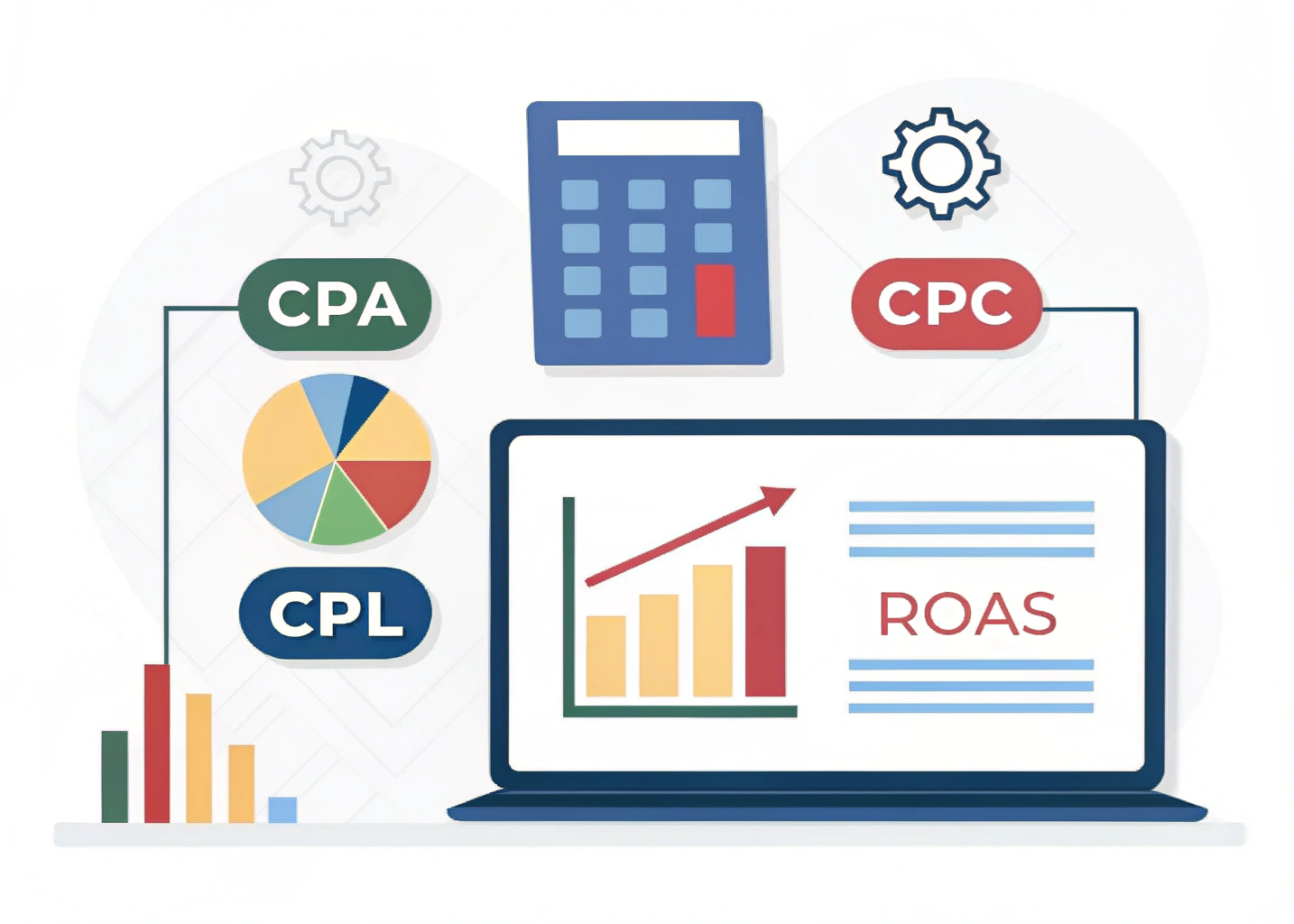
To truly grasp what is performance marketing, one must understand the metrics that drive it. These indicators are crucial for evaluating campaign effectiveness and making data-informed decisions.
Cost Per Acquisition (CPA)
CPA measures the total cost of acquiring one new customer. It's calculated by dividing the total campaign cost by the number of conversions. A lower CPA indicates a more efficient acquisition strategy.
Cost Per Click (CPC)
CPC is the cost an advertiser pays for each click on their ad. Common in paid search and display, it helps gauge the efficiency of driving traffic to a website or landing page.
Cost Per Lead (CPL)
CPL measures how much it costs to generate one lead (e.g., a form submission, a newsletter signup). This is vital for businesses with longer sales cycles, where leads are the primary conversion goal.
Cost Per Sale (CPS)
CPS is the cost associated with generating a single sale. This metric is critical for e-commerce businesses and directly links marketing spend to revenue generation.
Return on Ad Spend (ROAS)
ROAS calculates the gross revenue generated for every dollar spent on advertising. It's a direct measure of advertising effectiveness, showing how much revenue your campaigns are bringing in relative to their cost.
Lifetime Value (LTV)
LTV estimates the total revenue a customer is expected to generate throughout their relationship with your business. Understanding LTV helps determine how much you can afford to spend on CPA while remaining profitable.
Conversion Rate
This is the percentage of users who complete a desired action (conversion) out of the total number of visitors or ad clicks. A higher conversion rate indicates more effective ad copy, targeting, and landing page experience.
Crafting a Winning Performance Marketing Strategy
A successful performance marketing strategy isn't just about picking a channel; it's about a holistic approach that integrates goals, audience, and continuous optimization. Here’s how to build one:
Define Clear Goals & KPIs
Start with specific, measurable, achievable, relevant, and time-bound (SMART) goals. Are you aiming for 100 new leads per month? A 20% increase in online sales? Define your Key Performance Indicators (KPIs) upfront to track progress effectively.
Identify Your Target Audience
Deeply understand who you're trying to reach. Create detailed buyer personas, including demographics, psychographics, pain points, and online behavior. This knowledge will inform your channel selection, ad creative, and messaging.
Choose the Right Channels
Based on your goals and audience, select the performance marketing channels that offer the best fit. A B2B company might prioritize LinkedIn ads and paid search, while a fashion brand might focus on Instagram ads and affiliate partnerships.
A/B Testing & Continuous Optimization
Never set and forget. Continuously A/B test different elements of your campaigns—ad headlines, images, calls to action, landing page layouts, and targeting parameters. Use the data to make iterative improvements and boost performance.
Leverage Data Analytics
Implement robust analytics tools (like Google Analytics, platform-specific dashboards) to track every interaction. Monitor your KPIs daily, identify trends, and uncover insights that can lead to significant optimizations. Data is your most valuable asset.
Focus on User Experience (UX)
Even the best ad won't convert if it leads to a poor landing page experience. Ensure your landing pages are fast, mobile-friendly, relevant to the ad, and have a clear call to action. A seamless user journey is critical for conversion.
Challenges and The Future of Performance Marketing
While incredibly powerful, performance marketing isn't without its challenges. However, these challenges often pave the way for innovation and future growth.
Ad Fraud & Brand Safety
Click fraud, impression fraud, and other forms of ad fraud remain persistent threats. Advertisers must employ robust fraud detection tools and partner with reputable platforms to ensure their budgets are spent on genuine interactions. Brand safety, ensuring ads don't appear next to inappropriate content, is also a constant concern.
Data Privacy Concerns
With increasing regulations like GDPR and CCPA, and the deprecation of third-party cookies, data privacy is a major challenge. Performance marketers must adapt to new tracking methodologies, prioritize first-party data, and build trust with consumers by being transparent about data usage.
Increasing Competition
As more businesses adopt performance marketing, the cost of advertising on popular platforms can rise, making it harder to stand out. This necessitates more creative strategies, superior optimization, and a deeper understanding of niche audiences.
The Rise of AI & Machine Learning
AI and machine learning are revolutionizing performance marketing. They enable hyper-personalization, predictive analytics, automated bidding strategies, and advanced audience segmentation. Marketers who embrace these technologies will gain a significant competitive edge.
Personalization & Hyper-Targeting
The future will see even greater emphasis on delivering highly personalized experiences. Leveraging first-party data and AI, marketers will be able to tailor messages and offers to individual users at scale, increasing relevance and conversion rates.
Omnichannel Integration
Customers interact with brands across multiple touchpoints. The future of performance marketing involves seamlessly integrating campaigns across all channels – from social and search to email and offline experiences – to create a cohesive and effective customer journey.

Conclusion
In a world demanding accountability and measurable results, **what is performance marketing** has become the answer for businesses seeking sustainable growth. By focusing on specific, trackable actions and paying only for proven outcomes, it offers an efficient, scalable, and low-risk path to achieving marketing objectives.
From affiliate programs and paid search to social media advertising and data-driven optimization, performance marketing empowers businesses to connect with their audience effectively, maximize ROI, and make informed decisions. Embrace this powerful approach to transform your marketing efforts from an expense into a reliable revenue driver.
FAQ: What is Performance Marketing?
Q1: What's the main difference between performance marketing and traditional marketing?
The core difference lies in payment structure and measurement. Performance marketing pays only for specific, measurable actions (e.g., clicks, leads, sales), making it ROI-driven and highly accountable. Traditional marketing often focuses on impressions or brand awareness, with payment typically upfront regardless of direct action.
Q2: Is performance marketing only for big businesses?
Absolutely not! Performance marketing is highly scalable and beneficial for businesses of all sizes. Small businesses can start with modest budgets on platforms like Google Ads or social media, tracking results closely and scaling as they see positive ROI. Its efficiency makes it ideal for maximizing limited resources.
Q3: How do I measure the success of my performance marketing campaigns?
Success is measured through Key Performance Indicators (KPIs) directly tied to your campaign goals. Common metrics include Cost Per Acquisition (CPA), Return On Ad Spend (ROAS), Conversion Rate, Cost Per Click (CPC), and Cost Per Lead (CPL). Robust analytics tools help track and analyze these metrics in real-time.
Q4: What are common pitfalls to avoid in performance marketing?
Common pitfalls include not clearly defining goals, failing to understand your target audience, neglecting continuous A/B testing and optimization, ignoring data analytics, and having a poor landing page experience. Also, beware of ad fraud and ensure brand safety by partnering with reliable platforms.
Q5: How long does it take to see results from performance marketing?
The timeline for results varies depending on the channel, budget, industry, and campaign goals. Some campaigns, like paid search for high-intent keywords, can yield results within days or weeks. Others, such as building a strong affiliate network, might take a few months to fully mature. The key is continuous optimization to accelerate results.